The Benefits of Polyethylene Tanks in Bulk Oil Dispensing Systems
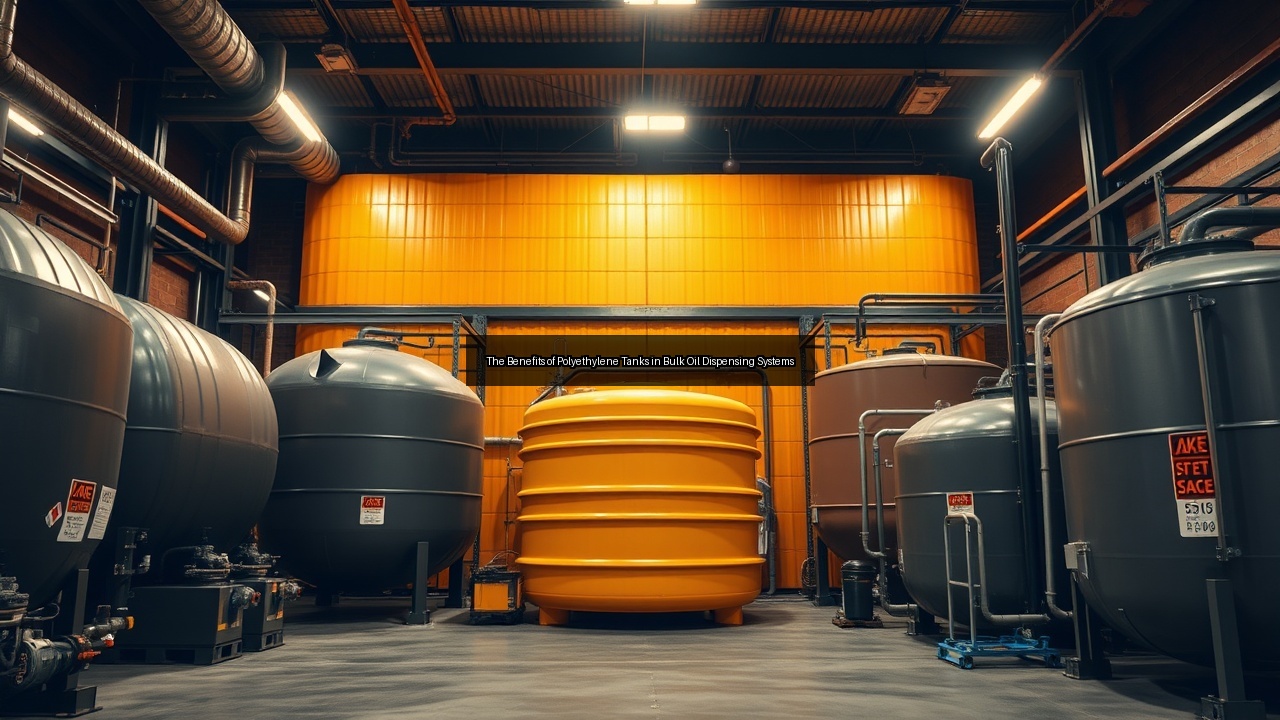
Understanding Polyethylene Tanks in Bulk Oil Systems
What are Polyethylene Tanks?
Polyethylene tanks serve as reliable containers for bulk oil storage and dispensing systems. These tanks consist of high-density polyethylene material molded into seamless structures that hold various lubricants and fluids without leaking. Operators install them on skids for easy transport across industrial sites. They replace older 55 gallon drum setups by offering larger capacities that streamline lubrication oil management. Polyethylene resists impact during handling and maintains integrity under temperature swings common in workshops or fleet maintenance areas. Users fill them with lube products ranging from hydraulic fluid to waste oil for recycling programs. The design supports direct connections to dispensing equipment, reducing manual transfers that often cause spills. In practice, facilities choose these tanks to centralize storage tanks for multiple lubricant types while keeping operations efficient and contained.
The Role of Polyethylene in Bulk Oil Storage
Polyethylene plays a central part in bulk oil storage by providing inert surfaces that prevent chemical reactions with stored lubricants. Facilities rely on these tanks within bulk oil storage and dispensing systems to maintain fluid purity over extended periods. The material allows gravity feed setups that deliver consistent flow without pumps in many cases. Workers mount polyethylene units on skids near assembly lines or vehicle bays for quick access to lubrication oil. They handle volumes far beyond single 55 gallon drum limits, cutting refill frequency and labor costs. Bulk oil tanks made from polyethylene integrate easily with filtration units that remove contaminants before dispensing. This approach supports ongoing lube management in manufacturing plants where downtime from contamination proves expensive. Overall, polyethylene enables scalable storage tanks that adapt to changing lubricant demands while preserving fluid quality.
Comparison with Traditional Steel Tanks
Steel tanks require welded seams that create potential weak points over time, unlike seamless polyethylene alternatives. Operators notice steel surfaces corrode when exposed to certain lubricants or moisture, leading to leaks in bulk oil storage and dispensing systems. Polyethylene tanks avoid this issue entirely and weigh less, allowing simpler installation on skids without heavy lifting gear. Traditional steel units often demand extra coatings to match the chemical resistance polyethylene provides naturally. Facilities switching from steel report fewer maintenance calls because polyethylene does not rust or degrade from waste oil contact. Steel tanks also conduct heat differently, raising fire safety concerns during hot weather, while polyethylene maintains stable performance. Cost comparisons favor polyethylene for long-term bulk oil storage because replacement cycles extend significantly. Many sites now standardize on polyethylene tanks to replace aging welded steel models and improve overall fluid handling reliability.
Advantages of Using Polyethylene Tanks
Durability and Longevity
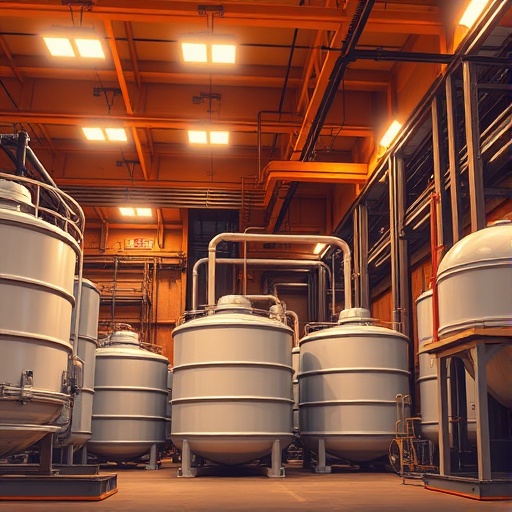
Polyethylene tanks deliver exceptional durability in demanding bulk oil storage and dispensing systems. The material withstands repeated impacts from forklifts or rough handling on skids without cracking. Users store lubrication oil for years without tank degradation, unlike materials that fatigue under constant pressure. These tanks endure outdoor exposure to UV rays and temperature extremes while keeping contents secure. Facilities report service lives exceeding fifteen years with minimal upkeep, reducing replacement expenses tied to bulk oil tanks. The seamless construction eliminates joints that fail in other designs, supporting continuous operation in high-volume lubricant dispensing. Polyethylene also resists denting during transport between job sites. Maintenance teams appreciate how these tanks maintain structural integrity even when filled with abrasive waste oil mixtures. This longevity makes polyethylene the preferred choice for operations seeking dependable storage tanks that perform reliably across multiple seasons.
Resistance to Corrosion and Chemicals
Polyethylene provides outstanding resistance to corrosion from aggressive lubricants and chemicals common in bulk oil storage and dispensing systems. Steel alternatives suffer pitting and rust when storing certain lube fluids, but polyethylene remains unaffected. Operators handle waste oil or synthetic lubricants without worrying about tank walls breaking down. The material tolerates acids and bases found in some lubrication oil formulations without leaching or weakening. Bulk oil tanks constructed from polyethylene maintain clean interiors that prevent contamination of stored fluids. Facilities avoid costly liners or treatments required for metal tanks exposed to the same chemicals. This resistance extends to external environments where road salts or industrial cleaners might contact the tank surface. Users integrate polyethylene units into pneumatic dispensing lines knowing the tank itself will not introduce corrosion particles into the fluid stream. Such chemical stability supports safer, longer-lasting bulk oil storage solutions across diverse industrial applications.
Enhanced Fire Safety Features
Polyethylene tanks incorporate enhanced fire safety characteristics valuable in bulk oil storage and dispensing systems. The material exhibits lower flammability compared to some alternatives and melts rather than igniting explosively under intense heat. Facilities position these tanks on skids away from ignition sources to further reduce risks during lubricant handling. Fire safety protocols benefit because polyethylene does not conduct electricity, lowering static discharge hazards around flammable fluids. Operators comply more easily with fire safety codes when using non-sparking tank materials. In contrast to welded steel that can weaken and rupture, polyethylene maintains containment longer during fire events. Many sites add secondary containment around polyethylene tanks to capture any potential leaks and contain flames. This combination of properties helps protect workers and equipment in lubrication oil storage areas. Overall, polyethylene contributes to safer bulk oil systems by minimizing fire spread potential while simplifying compliance efforts.
Efficiency in Bulk Oil Dispensing Systems
Gravity Feed Mechanisms
Gravity feed mechanisms operate efficiently with polyethylene tanks in bulk oil storage and dispensing systems. Elevated tank placement on skids allows lubricants to flow downward through hoses without auxiliary power. Operators dispense precise amounts of lubrication oil into equipment reservoirs using simple valve controls. This setup reduces energy consumption compared to pump-driven alternatives and works well for smaller volume needs. Facilities store multiple fluid types in separate polyethylene tanks and route lines to gravity feed stations near work areas. Gravity systems minimize aeration of the fluid, preserving lubricant quality during transfer. Maintenance crews appreciate the low complexity that cuts repair time when issues arise. Bulk oil dispensing benefits from consistent flow rates that gravity provides once tanks are positioned correctly. Sites often combine gravity feed with filtration to deliver clean oil directly to machinery. The approach streamlines daily lubrication tasks while lowering operational overhead in fleet or factory environments.
Pneumatic Dispensing Options
Pneumatic dispensing options expand capabilities when paired with polyethylene tanks in bulk oil storage and dispensing systems. Compressed air drives fluid movement through hoses from tank outlets mounted on skids. Technicians control flow rates accurately for filling large machinery reservoirs or multiple 55 gallon drum equivalents. Pneumatic systems handle viscous lubricants without clogging and integrate with existing shop air supplies. Polyethylene tanks withstand the pressure cycles involved in pneumatic setups without deformation. Operators switch between gravity feed and pneumatic modes depending on volume requirements or location constraints. This flexibility improves efficiency in waste oil collection or fresh lubrication oil distribution. Facilities report faster turnaround times on service jobs because pneumatic lines reach equipment positioned far from storage tanks. The method also supports automated shutoff valves that prevent overfills. Pneumatic dispensing enhances overall productivity in bulk oil systems by enabling controlled, hands-free transfers across industrial sites.
Integrating Filtration Systems
Filtration systems integrate seamlessly with polyethylene tanks to maintain fluid cleanliness in bulk oil storage and dispensing systems. Inline filters capture particles before lubricants reach dispensing points, protecting machinery from abrasive damage. Operators position filtration units between tank outlets on skids and end-use equipment. Polyethylene tanks allow easy access ports for filter changes without draining entire volumes. Regular filtration extends lubricant life and reduces waste oil generation from premature fluid replacement. Facilities combine filtration with gravity feed or pneumatic dispensing to deliver high-purity lubrication oil consistently. Monitoring pressure drops across filters signals when maintenance is needed, preventing clogs in bulk oil dispensing lines. This integration supports quality control in lubrication programs where contaminated fluid causes costly downtime. Polyethylene construction avoids introducing metal particles that steel tanks might shed into filtered streams. Effective filtration ultimately improves equipment reliability and lowers long-term operating costs in bulk oil storage operations.
Regulatory Compliance and Safety Standards
OSHA Regulations for Oil Storage
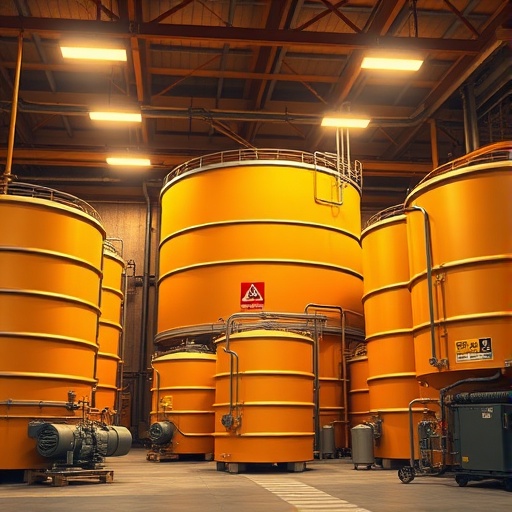
OSHA regulations guide proper handling of bulk oil storage and dispensing systems to protect workers. Employers must label polyethylene tanks clearly with contents and hazard information. Storage tanks on skids require secure anchoring to prevent tipping during seismic events or vehicle impacts. OSHA standards cover spill containment around lubrication oil areas and mandate regular inspections of dispensing equipment. Facilities using polyethylene tanks meet these requirements more readily because the material resists corrosion that could lead to leaks. Training programs emphasize safe transfer procedures from tanks to avoid slips from spilled fluid. OSHA inspectors review fire safety measures near bulk oil tanks, including proper ventilation and extinguisher placement. Compliance documentation tracks waste oil disposal to ensure environmental and worker safety. Polyethylene tanks help organizations demonstrate adherence through durable construction that maintains integrity over time. Following OSHA guidelines reduces incident rates and supports productive operations in lubricant management.
EPA Guidelines for Bulk Oil Systems
EPA guidelines establish requirements for bulk oil storage and dispensing systems to prevent environmental releases. Polyethylene tanks meet secondary containment expectations when paired with appropriate bunding on skids. Facilities track gallon quantities of stored lubricants and report any spills exceeding threshold levels. EPA rules address waste oil handling to avoid groundwater contamination from improper tank placement. Operators install overfill protection on polyethylene tanks to align with these standards. Bulk oil tanks must undergo periodic integrity checks that polyethylene materials pass easily due to their chemical resistance. EPA compliance includes spill prevention plans that detail response procedures for lubrication oil incidents. Many sites document filtration practices to show reduced contaminant discharge risks. Polyethylene construction supports EPA goals by minimizing leaks that steel tanks might develop over years of service. Adhering to these guidelines protects ecosystems while allowing efficient bulk oil storage operations across industries.
Best Practices for Fire Safety in Oil Dispensing
Best practices for fire safety in oil dispensing emphasize proper tank selection and layout within bulk oil storage and dispensing systems. Polyethylene tanks contribute by reducing ignition risks compared to conductive materials. Facilities space tanks on skids at safe distances from welding areas or electrical panels. Regular housekeeping removes accumulated lubricants that could fuel fires near dispensing points. Fire safety plans include automatic shutoffs on pneumatic lines and accessible emergency valves on gravity feed systems. Workers receive training on extinguisher use specific to lubrication oil incidents. Polyethylene tanks support these practices through non-sparking properties and stable performance under heat stress. Sites conduct drills that simulate bulk oil tank failures to refine response times. Integrating filtration reduces flammable residue buildup in lines, further lowering hazards. Consistent application of these practices creates safer workplaces while maintaining compliance with broader regulatory frameworks for oil storage systems.
Conclusion: The Future of Bulk Oil Storage and Dispensing
Trends in Bulk Oil Systems
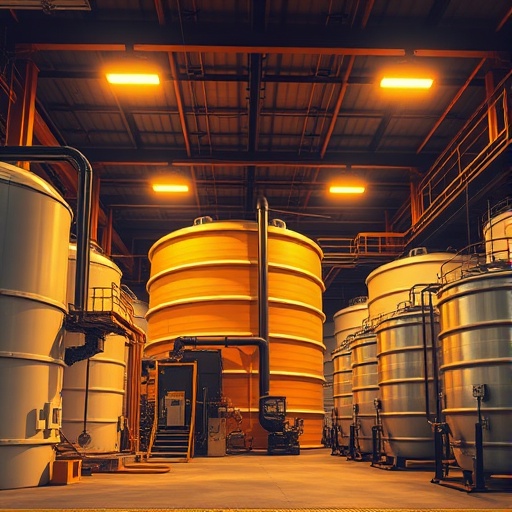
Trends in bulk oil systems point toward wider adoption of polyethylene tanks for improved performance. Facilities expand capacities beyond traditional 55 gallon drum limits by installing larger storage tanks on mobile skids. Demand grows for integrated solutions that combine gravity feed, pneumatic dispensing, and advanced filtration in single setups. Operators prioritize waste oil recovery systems built around durable polyethylene tanks to meet sustainability targets. Lubrication programs evolve to include real-time monitoring of fluid levels in bulk oil storage and dispensing systems. Polyethylene remains central because of its balance of strength, chemical resistance, and fire safety attributes. Industry shifts favor modular designs that allow quick reconfiguration of tanks for changing lubricant needs. These trends reflect ongoing focus on efficiency and compliance in lubrication oil management across manufacturing and transportation sectors.
The Impact of Emerging Technologies on Storage Solutions
Emerging technologies reshape storage solutions for bulk oil storage and dispensing systems. Smart sensors embedded in polyethylene tanks track fluid volumes and temperatures, alerting operators to potential issues before they escalate. Automated pneumatic controls optimize dispensing rates while integrating with facility-wide lubrication management software. Advanced filtration units paired with polyethylene tanks remove finer contaminants, extending lubricant service intervals. Waste oil processing benefits from new separation technologies mounted directly on tank skids. These innovations reduce manual intervention and enhance accuracy in bulk oil dispensing operations. Polyethylene tanks adapt readily to sensor integration without structural modifications required by older steel designs. The combination drives higher reliability and lower environmental impact for future oil storage systems. Facilities adopting these technologies position themselves for sustained operational excellence in lubricant handling.
See Also
- Fire Safety Essentials for Bulk Oil Storage Facilities
- How to Choose the Right Steel Tank for Your Bulk Oil Storage Needs
- The Importance of Proper Lubrication in Industrial Bulk Oil Systems
- Maximizing Efficiency with Advanced Bulk Oil Storage and Dispensing Solutions
- Exploring the Role of Filtration in Bulk Oil Storage and Dispensing